Contents
The idea sounds flippant, yet the market impact isn’t. Dogecoin and Shiba Inu both hit multibillion-dollar valuations. Newer entrants can rally thousands of percent in days, only to retrace just as fast. Memecoins sit at the crossroads of speculation, community, and internet humor.
Core traits that define a memecoin
Memecoins share a recognizable set of characteristics that set them apart from utility-driven crypto assets. Understanding these traits helps you spot them quickly and assess their risks.
- Origin in a meme or joke: Logos, names, and narratives come from viral culture, often with animals or cartoonish imagery.
- Minimal intrinsic utility: Many lack a native function beyond being traded; some add staking or basic perks later.
- Community-first branding: Growth depends on social media, influencers, and coordinated meme campaigns.
- High volatility: Thin liquidity, concentrated holdings, and hype cycles cause violent swings.
- Low entry barriers: Launching a token on networks like Ethereum or Solana is fast and cheap, fueling rapid iteration.
Those elements create an asset class that behaves more like a cultural product than a software protocol. The meme is the moat—until sentiment shifts.
How memecoins work under the hood
Technically, most memecoins are simple tokens deployed on existing blockchains. That means they inherit the security and transaction rules of the host chain while adding their own token supply and distribution settings.
On Ethereum, an ERC‑20 contract defines total supply, balances, and transfers. On Solana, SPL tokens do the same. Liquidity pools on decentralized exchanges (DEXs) like Uniswap or Raydium enable trading. Price discovery happens where liquidity is deepest and attention is hottest.
Some projects add burns, taxes, or reflections. For example, a 1% transfer tax might be sent to a burn address to slowly shrink supply. Others renounce contract ownership to signal immutability. These tweaks affect tokenomics but rarely change the speculative core.
Why memecoins catch fire
Memecoins spread the way memes do: fast, funny, and frictionless. The catalyst can be a viral tweet, a celebrity mention, or a community joke baked into a token ticker. When liquidity is ready and the story resonates, price surges as traders rush in.
Micro-example: A new dog-themed coin lists on a DEX with $50,000 in liquidity. A trader posts a meme thread that gets 200,000 views. Early buyers double the price; more viewers pile in, slippage spikes, and the chart prints a steep ramp. If early holders start selling into the buzz, the reversal is just as dramatic.
Memecoin vs other crypto assets
It’s easy to confuse categories when tickers move together. This table sketches practical differences you can spot in the wild.
| Type | Primary Purpose | Common Signals | Risk Profile |
|---|---|---|---|
| Memecoin | Speculation and culture | Meme branding, thin docs, viral marketing | Very high volatility; narrative-driven |
| Utility Token | Pay fees, access services | Detailed docs, integrations, roadmap | Market and execution risk |
| Governance Token | Vote on protocol decisions | DAO proposals, on-chain votes | Protocol and governance risk |
Some tokens blur lines—projects sometimes retrofit utility onto a memecoin after traction. The market still tends to price the meme first and the fundamentals later.
Tokenomics to watch
Token economics decide who holds power and how price reacts to pressure. A quick scan of contract and distribution details can flag red or green lights.
- Supply and dilution: Fixed supply is easy to reason about. Beware hidden mint functions or unlock schedules that flood the market.
- Liquidity setup: Check how much liquidity is paired, whether LP tokens are burned or locked, and on which DEX. Unlocked LP can be pulled.
- Holder concentration: A few wallets with oversized stakes can nuke price by selling. Explore top holders on a block explorer.
- Taxes and permissions: Transfer taxes, blacklists, or owner-only functions can be abused. Read the contract or verified code notes.
- Renounced ownership: Not a guarantee of safety, but reduces the attack surface for admin abuse.
These factors won’t predict memes, but they help filter avoidable blowups. It’s the difference between a sharp gamble and a blind one.
Where memecoins live and trade
Most memecoins launch on liquid, retail-heavy chains with cheap fees. Activity clusters by season, but patterns repeat.
- Ethereum and Layer 2s: Deepest liquidity, higher gas at peak times, strong bot presence.
- Solana: Ultra-low fees, rapid launches, retail crowd, and fast-moving markets.
- BNB Chain and others: Lower fees and accessible tooling, plus large exchange integrations.
New coins typically list first on DEXs, then, if volume persists, small centralized exchanges. The first hours after launch are the most chaotic: bot snipes, fake tickers, and copycats are common.
Cultural gravity and community behavior
Memecoins are social assets. Telegram rooms and X threads act like trading floors and billboards at the same time. A witty account with a large following can swing sentiment in minutes.
Two patterns recur: “diamond hands” campaigns that celebrate not selling, and coordinated meme drops timed around exchange listings or influencer posts. They can work—for a while. When the tone shifts from jokes to bickering about floor price, momentum usually fades.
Risks you shouldn’t ignore
Speculation is part of the draw, but risk isn’t abstract. It shows up in mechanics and incentives you can verify.
- Rug pulls and liquidity drains: If LP tokens aren’t locked or burned, the team can remove liquidity.
- Honeypots and blacklists: Some contracts let only certain addresses sell, trapping buyers.
- Impersonations: Scam tokens mimic tickers and logos of trending coins to siphon buyers.
- Slippage and MEV: Thin pools and bots can turn a 1% move into a 10% realized loss on execution.
- Tax traps: High transfer taxes make round trips costly and can fund opaque treasuries.
Simple habits help: verify contract addresses from official channels, use moderate slippage, and test with a small buy before scaling size.
How people evaluate a memecoin’s potential
No one can forecast virality. Still, seasoned traders lean on a short checklist to gauge whether a meme has legs or will fade fast.
- Story strength: Is the meme instantly understandable and remixable? Can it travel beyond a niche?
- Distribution fairness: Were insiders favored, or was there a broad, public launch?
- Liquidity depth: Enough to handle volume without 20% slippage? Multiple pools can help.
- Community pulse: Active, funny, and fast? Or botted metrics and generic hype?
- Catalysts: Upcoming exchange listings, notable backers, or pop-culture hooks tied to a date.
When a token checks several boxes, traders may size in gradually. If any single factor looks rotten—like a wallet holding 40%—they walk.
Examples that shaped the category
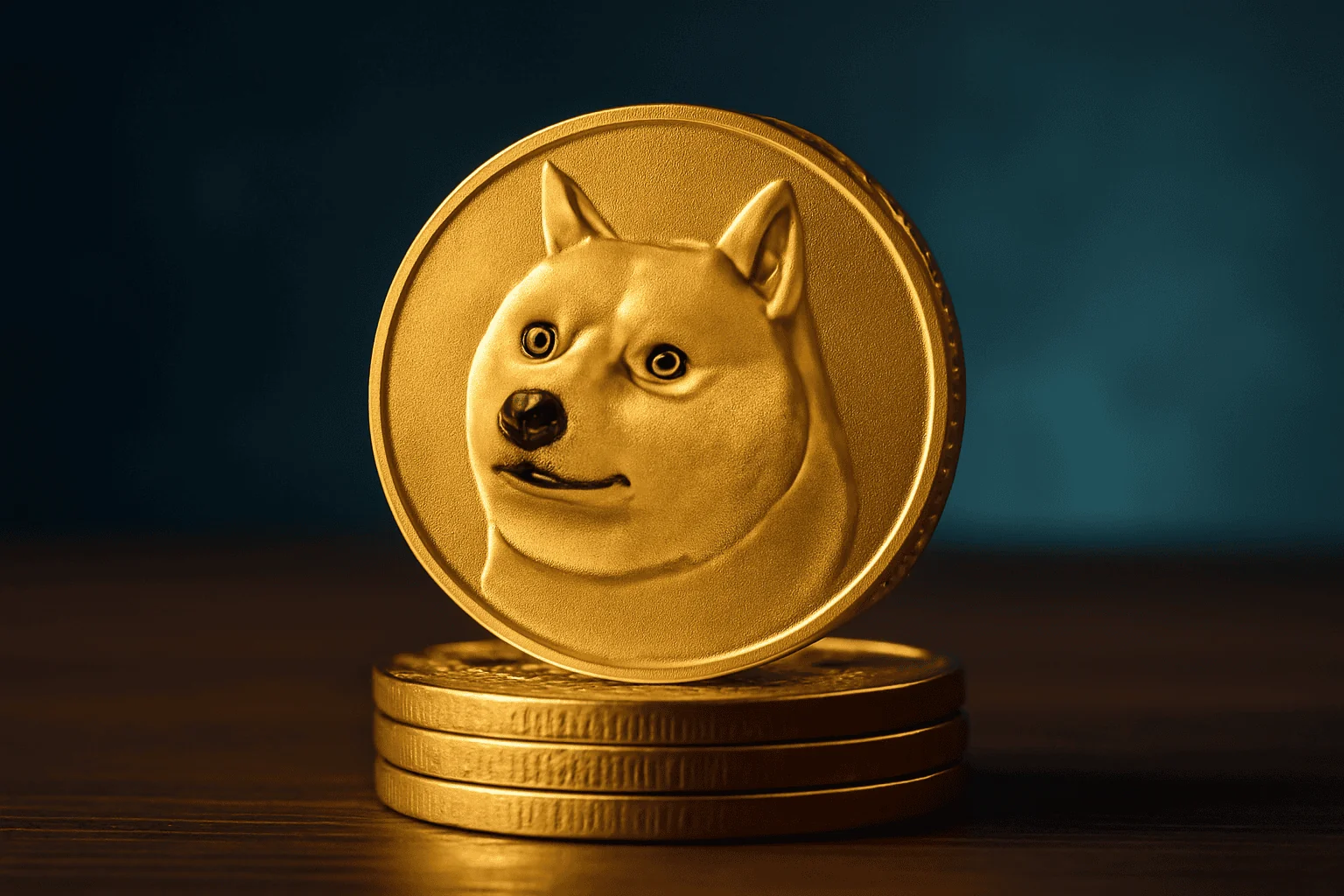
Dogecoin began as a joke in 2013 with a Shiba Inu mascot. Years later, it rallied on celebrity nods and broader crypto cycles, becoming the de facto memecoin benchmark. Shiba Inu, launched with burn theatrics and a vast supply, built a sprawling community and ancillary tokens. More recently, frog and dog variants on faster chains have mirrored the same arc at higher speed.
The lesson: the meme matters, timing matters more, and distribution drives durability. When a token lodges itself in culture, it can outlast market chops.
Practical tips for newcomers
Approach memecoins like you would a high-variance bet. The goal is to stay in the game, not to win every spin.
- Use a separate wallet for degen plays; never mix with long-term holdings.
- Set hard limits per trade and accept that 0 can happen.
- Confirm contract addresses from official posts, not replies or screenshots.
- Check top holders and LP lock status before buying size.
- Plan exits in advance; ladder sells into strength rather than praying for one more candle.
Discipline beats impulse. Even one or two guardrails can save you from the classic wipeout after a green streak.
Why memecoins keep returning each cycle
Memes are lightweight carriers of emotion. In bull markets, they compress joy, greed, and belonging into a ticker you can buy in seconds. That feedback loop is powerful. It rewards early adopters, entertains the crowd, and gives creators a sandbox to experiment.
As long as blockchains make issuance simple and social platforms amplify jokes at scale, memecoins will reappear with new faces. The underlying engine is the same: attention becomes liquidity, liquidity becomes price, and price becomes a meme of its own.